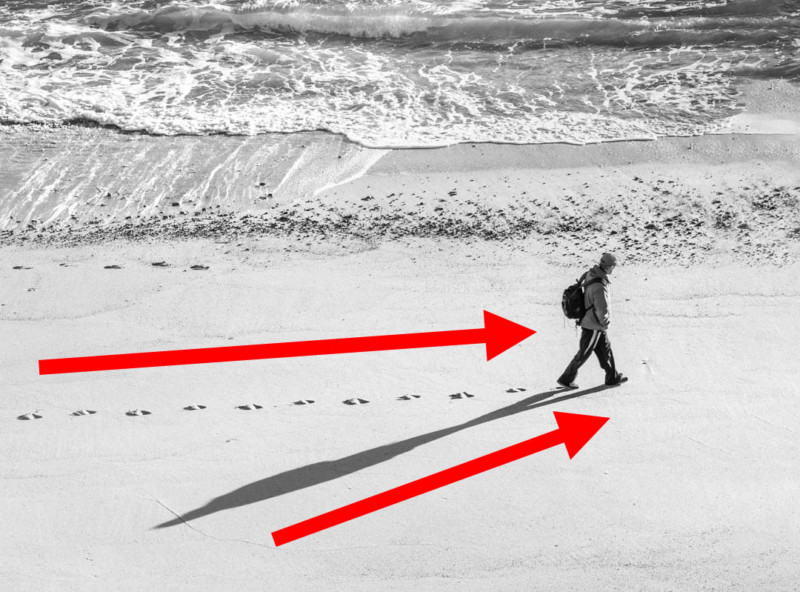
How to Use Leading Lines in Photography
by John Tunney
“You don’t take a photograph, you make it,†Ansel Adams once said. Great point, but let’s take it a step further. An important thing to remember is that photographs are just a type of picture, and pictures are made of lines.
As photographers, we use lines to create visual interest with patterns, rhythm, and flow, and to draw attention to things. Learning to see lines and use them in your compositions is a big step in going from “taking pictures†to “making photographs.
One of the most important lines in photography is the leading line. A leading line is a line in a composition that guides the viewer’s eyes from one part of the picture to another. It is often used to point to the main subject or region of interest in the frame, and it’s a very effective tool to control how a viewer reads your picture.
You can read the whole article at Petapixel.com.
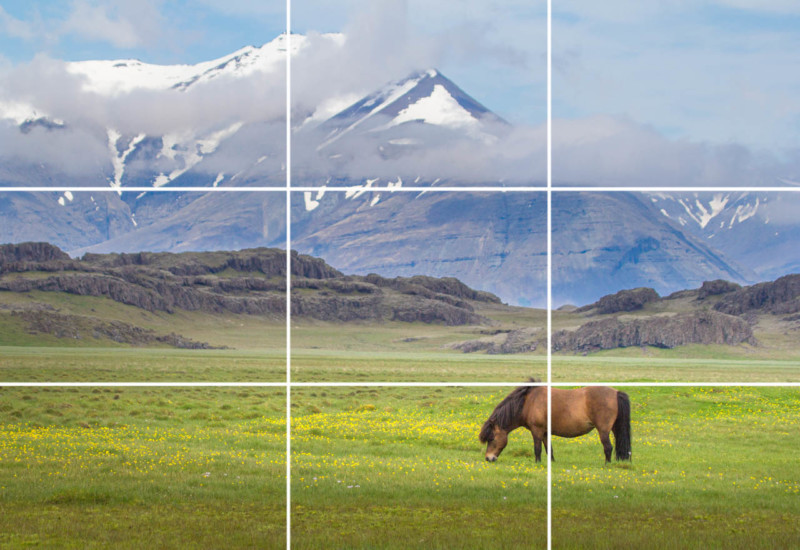
A Guide to the “Rule of Thirds”
by John Tunney
The rule of thirds is widely considered to be one of the most important first techniques you can learn to create better compositions and help you progress from “taking pictures†to “making photographs.â€
Don’t let the name throw you, though. It’s not really a rule. It’s a guideline or principle for composition that’s been used by artists for a long, long time. It works for landscapes, portraits, wildlife, and every other type of image, even abstracts. Not every picture has to use the rule of thirds, however, but it’s a great place to start when you are looking through your viewfinder and wondering what to do next.
So what exactly is the rule of thirds?
You can read the whole article at Petapixel.com.
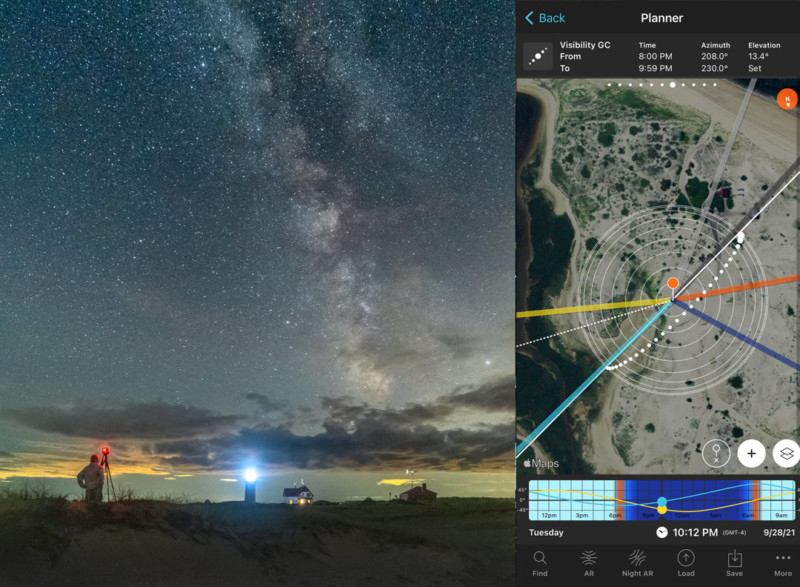
A Guide to Using Photopills
by John Tunney
PhotoPills is a planning tool to help you create images of the Sun, Moon, stars, meteors, and more. It can help you decide the best place to focus for maximum depth of field and calculate the correct exposure when using a neutral density filter to blur water, clouds, and other subjects. What’s more, you can use it from anywhere in the world with an Internet connection to plan a photo shoot anywhere else in the world.
In fact, PhotoPills (available for both iOS and Android) is so packed full of features that it can be a little overwhelming. I like to take a practical approach to photography – focus on what’s important and don’t worry too much about the other stuff. It’s the same with using PhotoPills. It has a lot of great features, but you don’t need to know them all in detail to get started planning and making amazing images.
In this article, I’m focusing on the key features to get you started. Once you get some experience with those you’ll be able to dive into the rest on your own.
You can read the whole article at Petapixel.com.
 Lens Flare in Photography: A Complete Guide
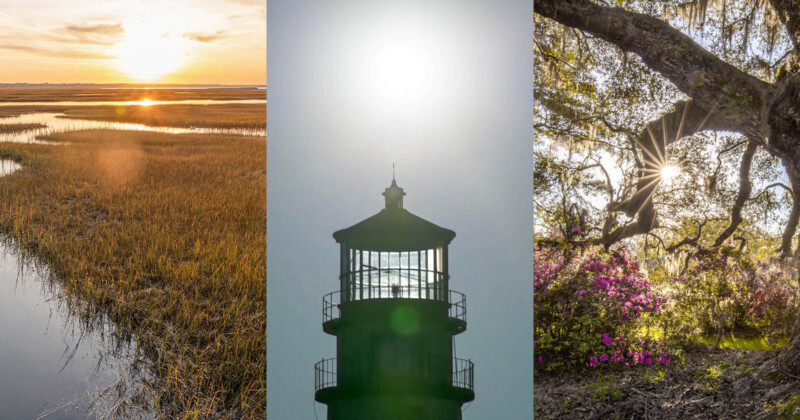
by John Tunney
Lens flare can appear as spots or streaks of light and color or as a washed-out hazy look in your photographs. Some photographers and filmmakers like to use it creatively, but it usually shows up as an unpleasant surprise that can ruin your picture. Read the whole article at Petapixel.com.
 What is Chromatic Aberration? How to Deal with Color Fringing
by John Tunney
If you’ve ever noticed an unsightly colored fringe or halo on objects in your photographs, you’ve seen chromatic aberration. It’s a common problem in photography and can detract from an otherwise good image. Fortunately, there are ways to minimize or even eliminate it, both before you hit the shutter button and after when editing your picture. Read the whole article at Petapixel.com.
A Guide to Camera Lens Features
by John Tunney
There’s more to consider than focal length and price when buying a new lens. Lenses come with an assortment of features such as stabilization and weather sealing, plus issues like distortion and bokeh. Read the whole article at Petapixel.com.
Types of Camera Lenses: A Complete Guide
by John Tunney
There are many types of camera lenses out there, and it can be a bit confusing and even frustrating trying to sort it out because not every lens will be right for the type of photo you are trying to capture in a particular situation. Read the whole article at Petapixel.com.
Why Join a Camera Club?
by John Tunney
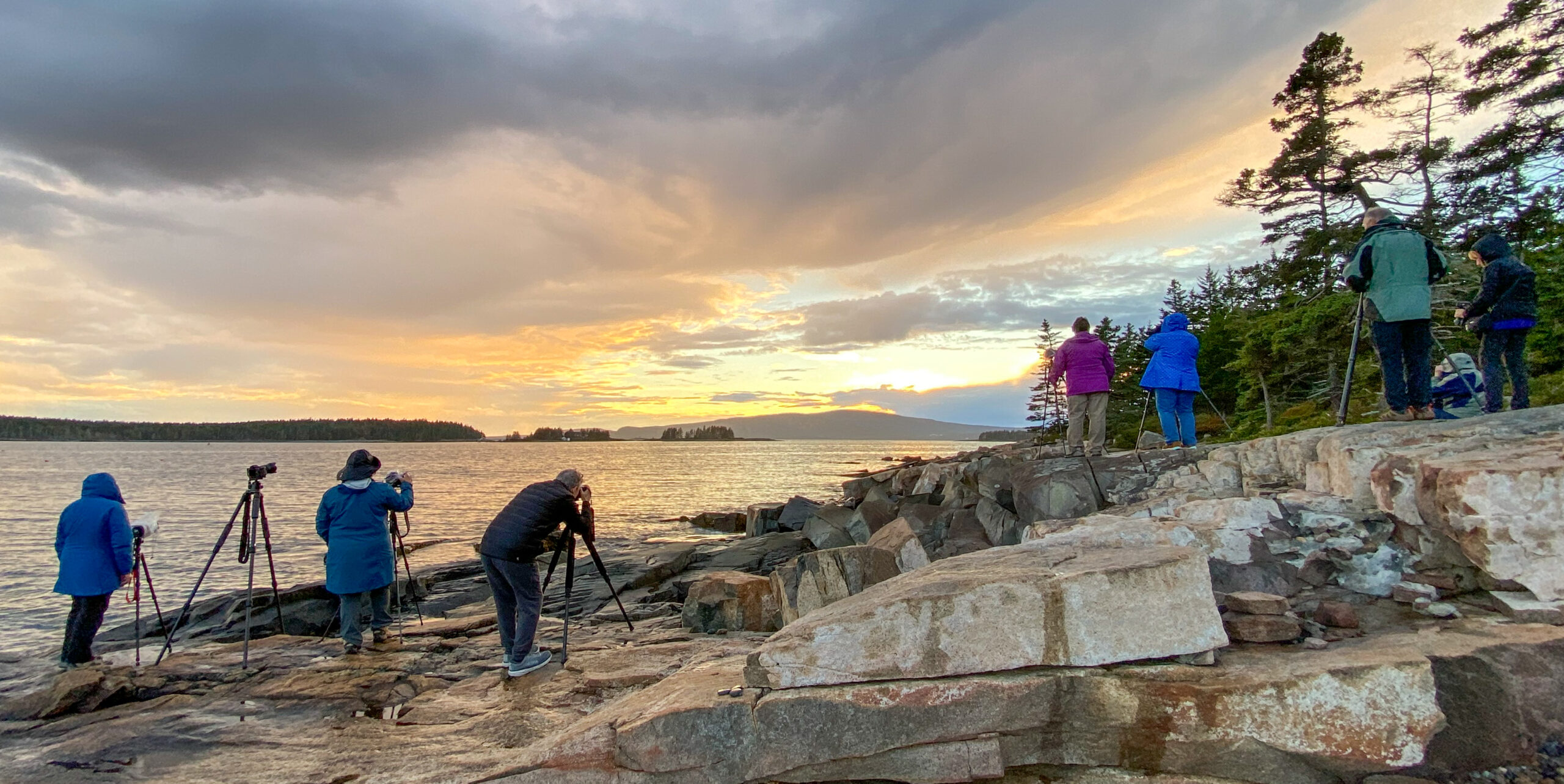
If you want to become a better photographer, learn more, get and stay inspired, meet others who share your passion and make new friends, well, nothing beats a camera club. Joining a club might even help lead you to a new career. I know it did for me and many other photographers.
The idea of photographers getting together to share tips, techniques and camaraderie stretches back to early days of photography. In the U.S, the Boston Camera Club and the Camera Club of New York got their start in the early 1880s. In the U.K, the Royal Photographic Society got its start in 1853. Today, there are hundreds of camera clubs and photo societies in countries around the world.
So what happens at a camera club? All kinds of things photographic.
You can read the whole article at Petapixel.com.